


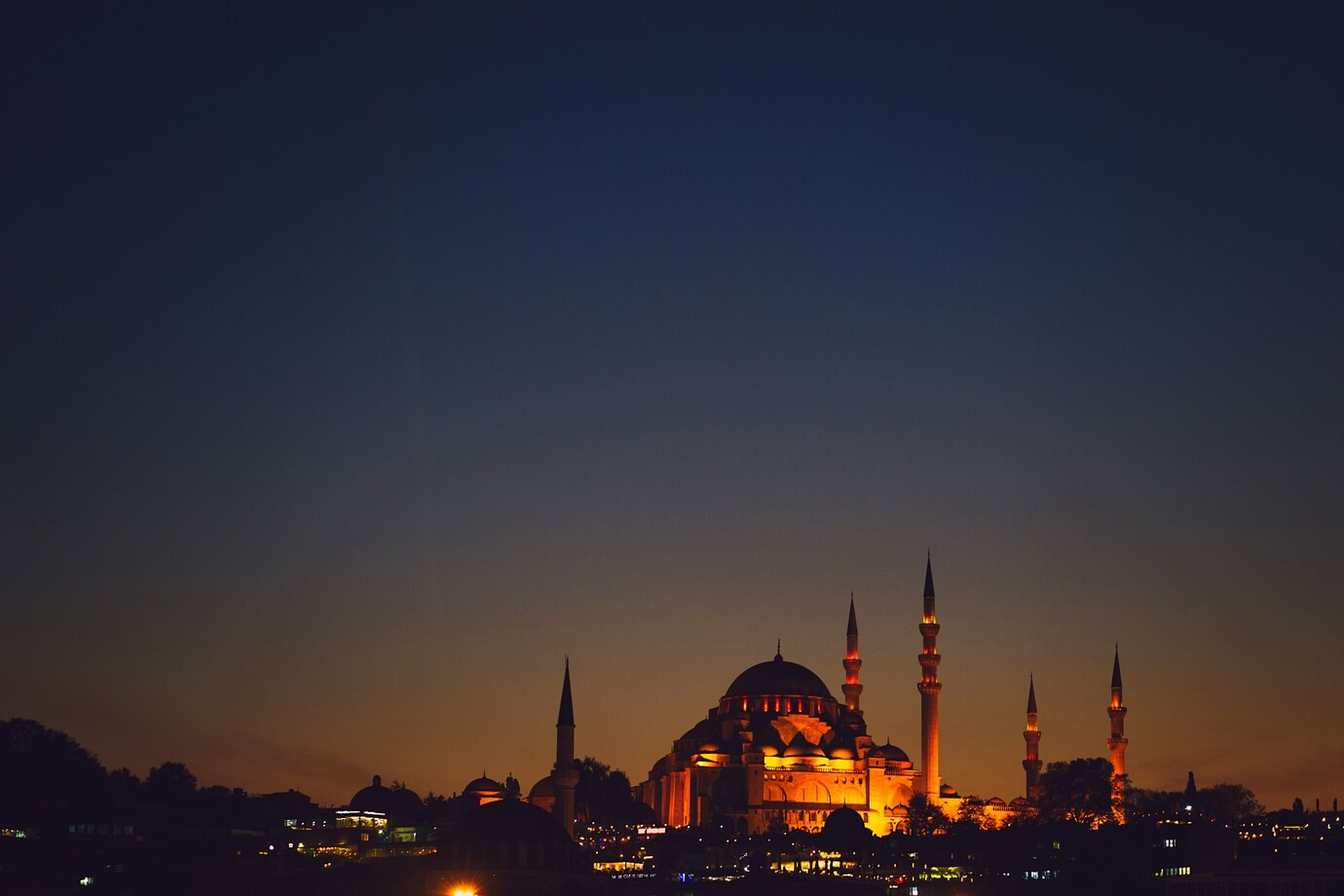
Eid Ul-Fitr is one of the most joyful days in the Islamic calendar. After a month of fasting, prayer and reflection in Ramadan, Eid arrives as a day of gratitude, celebration and togetherness. It is a time to thank Allah, gather with family and community, and mark the end of Ramadan in a way that is pleasing to Him.
As Muslims, we are encouraged to celebrate Eid with happiness, but also with dignity and remembrance of Allah. The Prophet ﷺ taught us beautiful Sunnah practices for this day, from the moments before leaving for the Eid prayer to the way we spend the rest of the day afterwards. Following these etiquettes helps us make Eid more meaningful and keeps the day connected to worship rather than just routine celebration.
One of the first things to remember is Zakat Ul-Fitr. This should be given before the Eid prayer so that those in need are able to take part in the joy of Eid as well. It is a charity connected to the end of Ramadan, and it also serves as a purification for any shortcomings in our fasting. Leaving it until after the Eid salah means it is counted as ordinary charity rather than Zakat al-Fitr, so it is important to arrange this in good time.
Another Sunnah of Eid Ul-Fitr is to eat before leaving for the prayer. It is reported that the Prophet ﷺ would eat dates before going out, often in an odd number. This is a simple but meaningful practice, as it clearly marks the end of the fast and distinguishes Eid morning from the days of Ramadan that came before it.
It is also recommended to perform ghusl before attending the Eid prayer. Scholars have long mentioned this as part of preparing properly for Eid. Along with this, Muslims are encouraged to wear clean and presentable clothing. For some people that may mean new clothes, while for others it simply means wearing their best available garments. The spirit of the day is one of joy, cleanliness and respect for the occasion.
From the night before Eid until the prayer begins, Muslims are encouraged to recite the Takbeer of Eid. These words are a powerful expression of gratitude and glorification of Allah:
Allāhu Akbar, Allāhu Akbar, lā ilāha illa Allāh,
Allāhu Akbar, Allāhu Akbar, wa lillāhil-ḥamd.
Its meaning is:
Allah is the Greatest, Allah is the Greatest, there is no deity worthy of worship except Allah. Allah is the Greatest, Allah is the Greatest, and all praise belongs to Allah.

Reciting the takbeer on the way to the mosque helps set the tone for Eid. It reminds us that this is not simply a social occasion, but a day rooted in remembrance, worship and thankfulness.
It is also a good practice to leave early for the Eid prayer. Eid salah usually brings large gatherings, and arriving in good time helps things run smoothly for everyone. If a person is able to walk, that is also encouraged in the Sunnah. At the mosque, it is important to be mindful of fellow worshippers, follow any guidance from volunteers and stewards, and help maintain a calm and respectful atmosphere.
The Eid prayer itself is different from the daily prayers. It consists of two rak‘ahs and includes extra takbeers. After the prayer, the imam delivers the khutbah. While listening to the Eid khutbah is not obligatory in the same way as Jumu‘ah, it is still strongly recommended and is part of benefiting fully from the gathering. It is a moment of advice, reflection and reminder for the community.
After the prayer, the spirit of Eid continues in the way we greet and treat one another. People commonly say “Eid Mubarak” or “Taqabbal Allāhu minnā wa minkum”, meaning, “May Allah accept from us and from you.” These greetings carry warmth and dua, and they reflect the sense of brotherhood and sisterhood that Eid brings.
Eid is also a time for maintaining family ties, visiting relatives, sharing food and showing generosity. The day should not be centred only on clothes, gifts or outings, but on gratitude to Allah and kindness to others. Visiting parents, checking in on relatives, feeding others and remembering those who may be lonely or struggling are all from the beautiful spirit of Eid.
Another Sunnah mentioned by the scholars is to return from the Eid prayer by a different route if possible. This small act is easy to overlook, but it reflects the care the Prophet ﷺ showed in teaching the Ummah even the finer details of blessed occasions.
For many families in the UK, Eid can be busy and full of commitments, but keeping these Sunnahs in mind helps preserve the true feeling of the day. At Masjid Al-Falah, Eid is always a special occasion for the community, with worshippers gathering early in the morning in a spirit of joy and unity. We encourage everyone to prepare well, arrive in good time, be considerate with parking, and help make the day smooth and welcoming for all.
Eid Ul-Fitr is not only a celebration of completing Ramadan. It is a chance to carry the goodness of Ramadan forward — gratitude, prayer, generosity and remembrance of Allah. When these Sunnah practices are observed, Eid becomes more than a festive day. It becomes a day of worship, community and barakah.
May Allah accept our fasting, our salah, our charity and our duas, and may He allow us to witness many more Eids in faith, health and happiness.
Eid Mubarak from Masjid Al-Falah.


